Was a philosophy PhD student, left to work at AI Impacts, then Center on Long-Term Risk, then OpenAI. Quit OpenAI due to losing confidence that it would behave responsibly around the time of AGI. Now executive director of the AI Futures Project. I subscribe to Crocker’s Rules and am especially interested to hear unsolicited constructive criticism. http://sl4.org/crocker.html
Some of my favorite memes:
(by Rob Wiblin)
(xkcd)
My EA Journey, depicted on the whiteboard at CLR:
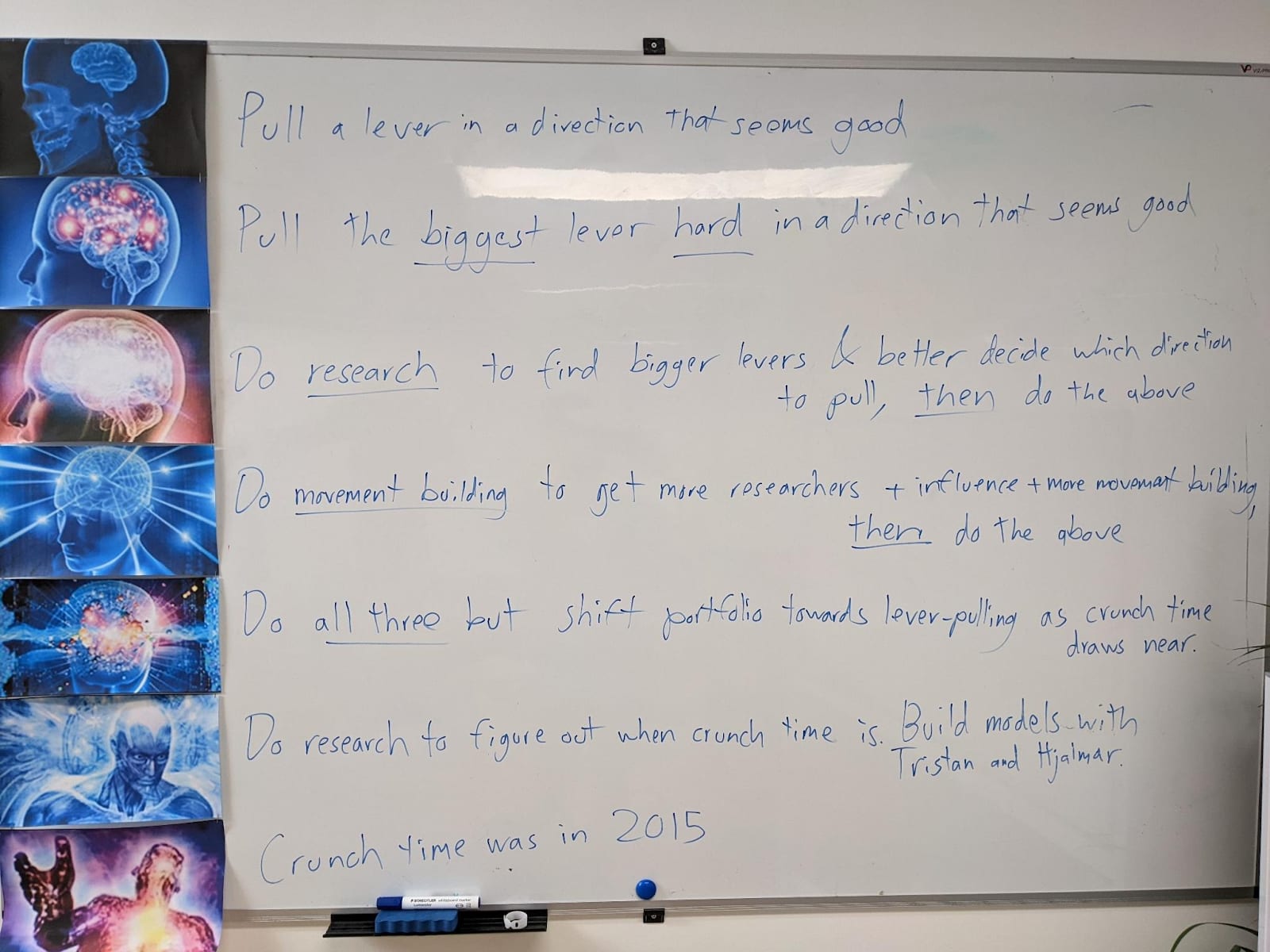
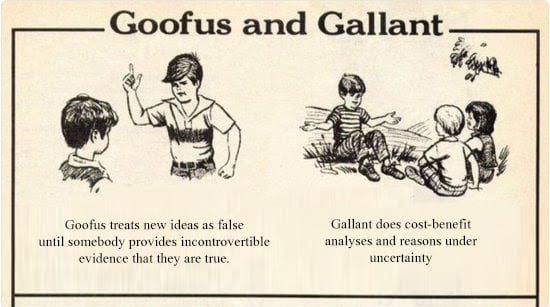
(h/t Scott Alexander)
There are degrees of concentration of power. A consortium of multiple governments—some of which are actual democracies thanks to the transparency requirements which help prevent AI-assisted executive power grabs—is way less bad than a single global dictator, for example.
I agree though that AGI and RSI are technologies that inherently concentrate power by default. It’s going to be really hard to resist that innate tendency. But I think Plan A does basically the best we can of the available plans so far, except maybe Plan S.