Some people get destabilized by ‘inner work’:
Here’s why:
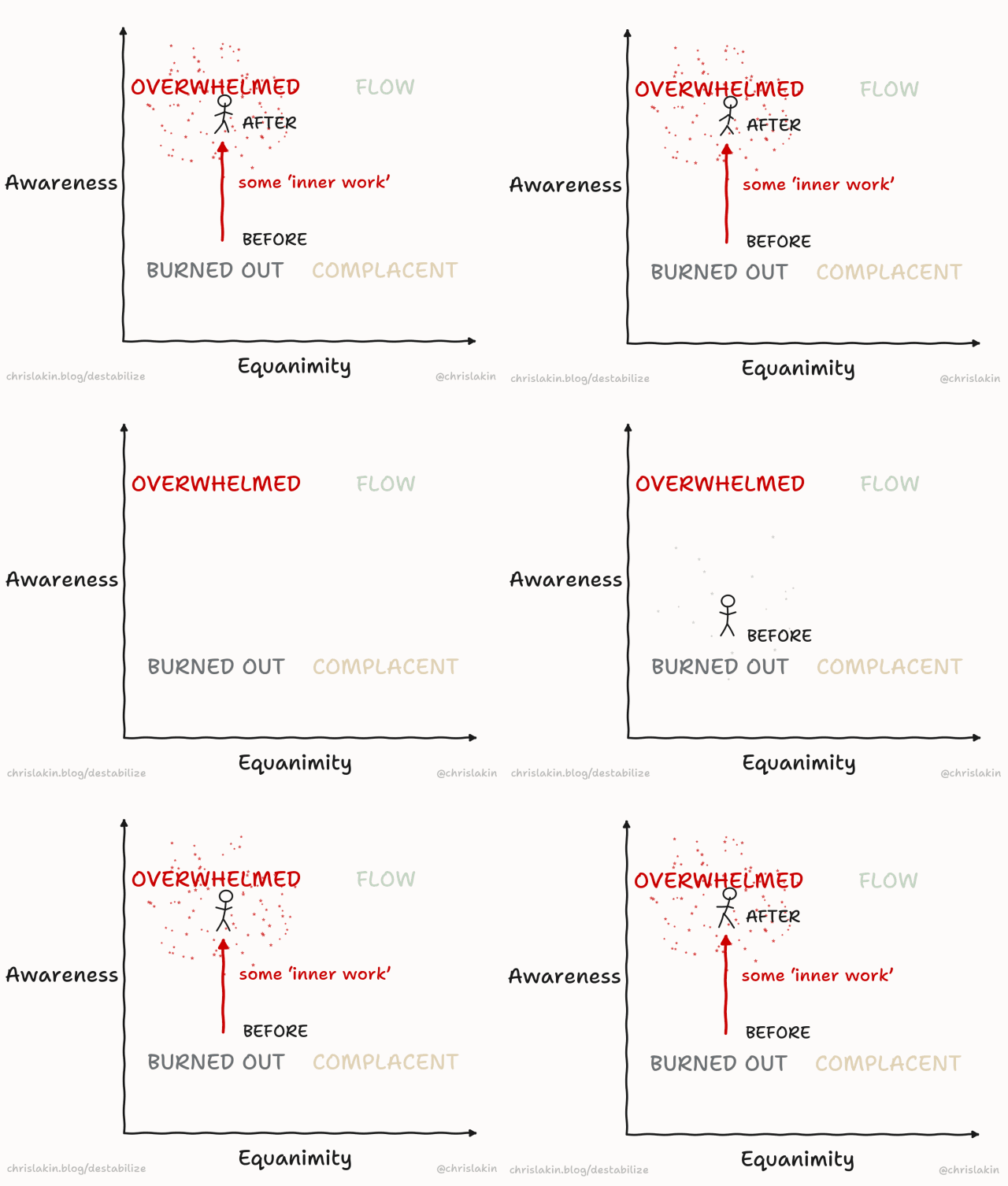
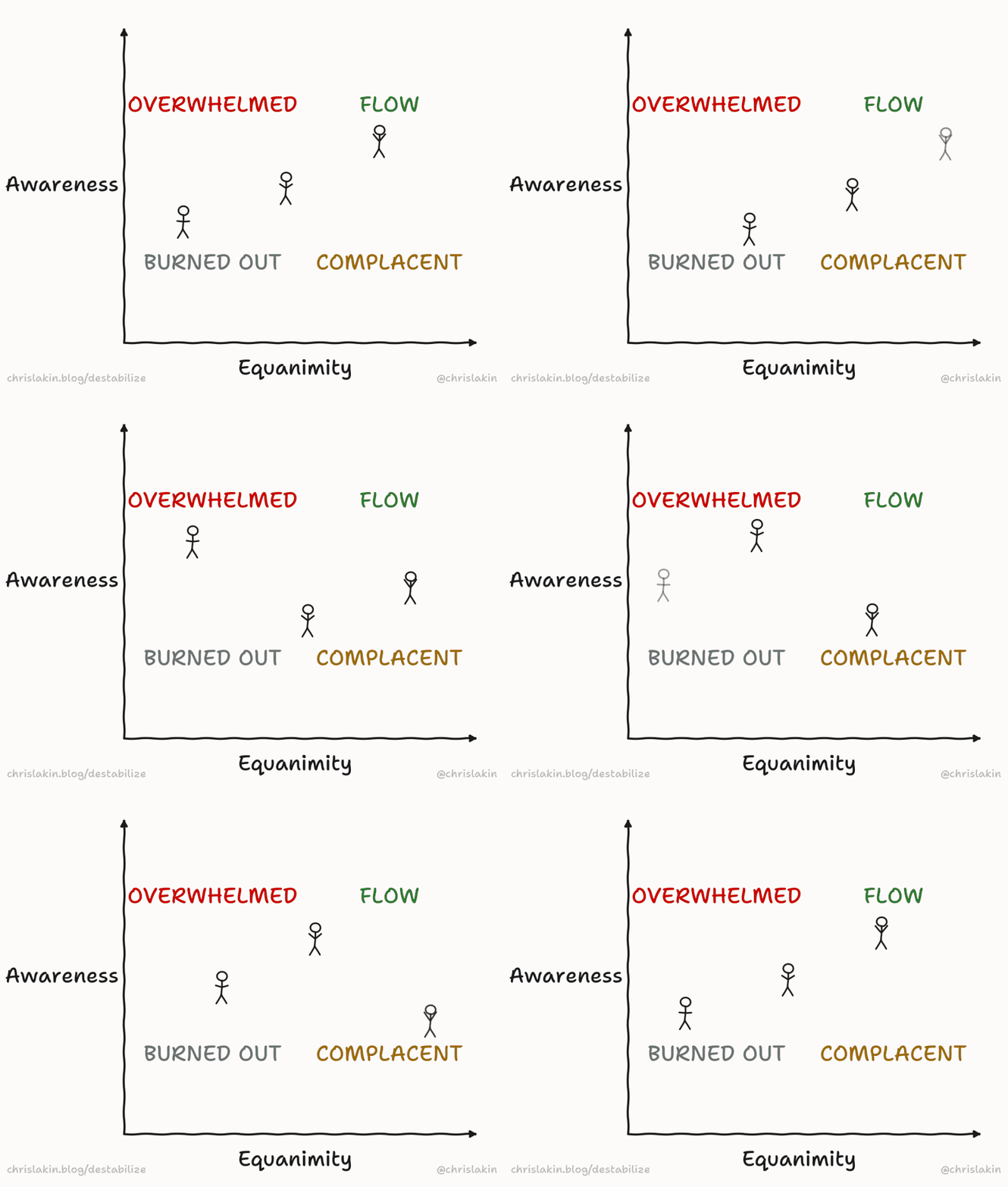
Awareness := How aware someone is of sensations in their body/conscious experience. How perceptive, sensitive, and feely they are. How much beauty they perceive, how much pain they feel.
Equanimity := How equanimous someone is with situations and emotions. The fraction of their experience that feels okay, secure, and chill. How rarely they display anxious, triggered, or avoidant behavior.
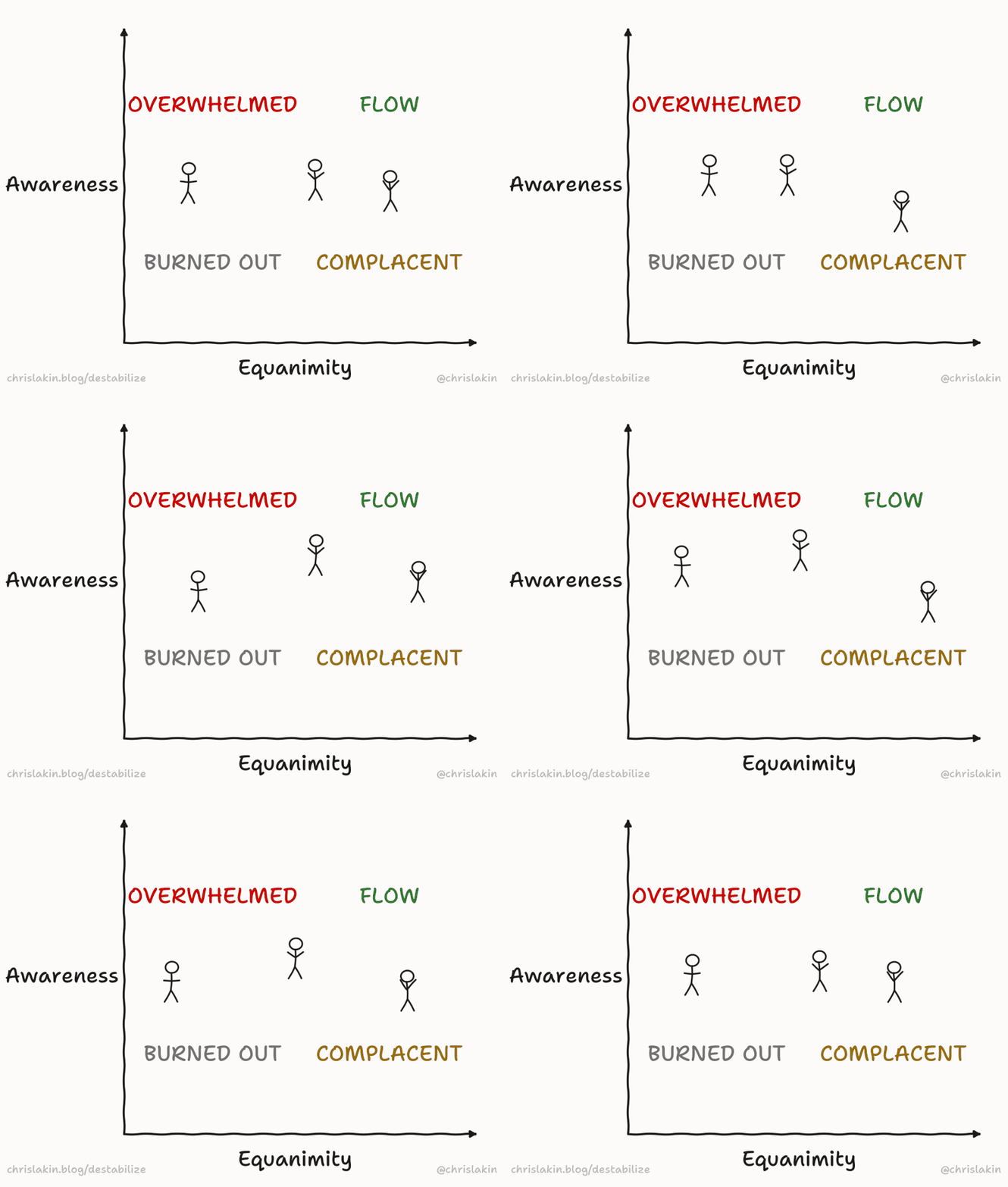
Usually people get into inner work to improve both their Awareness and their Equanimity. But sometimes people get significantly improved Awareness without significantly improved Equanimity. This creates problems.
Increasing Awareness is turning up the volume on conscious experience. If you have suffering and you keep turning up the volume, at some point you’re going to either get panic attacks:
Destabilization lasting years:
Reduced awareness:
Or overwhelm:
To be clear, improved awareness can be really nice!
It’s just not everything:
What improving Awareness and Equanimity is like
Where many people start: Low Awareness + Low Equanimity
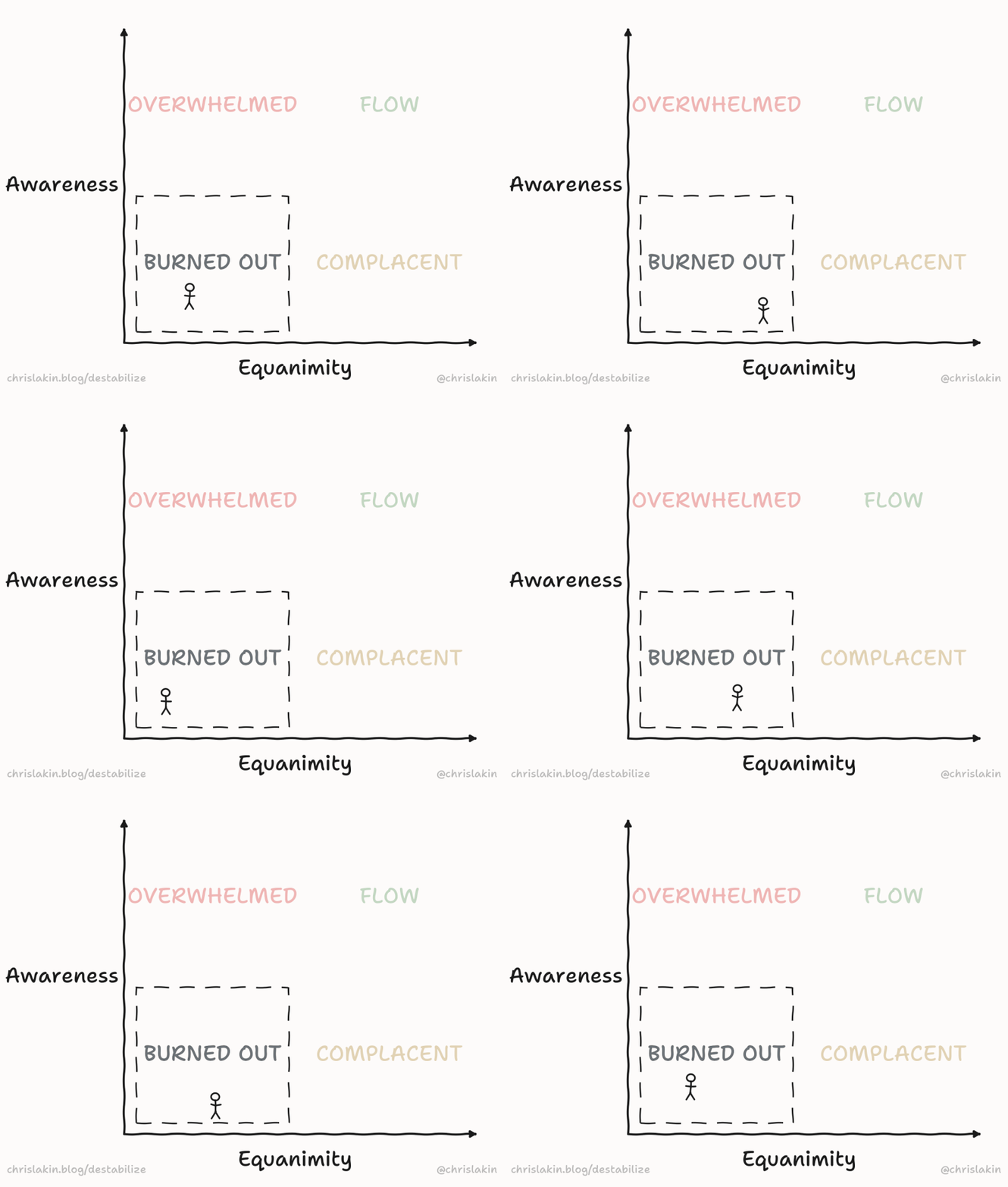
Signs: Burnout. Reduced agency. Frugality despite one’s wealth. Doomscrolling, vaping, porn, overworking, and other addictions. Stress despite ‘having everything’:
Also: muscle tension that keeps coming back, dating bottlenecks.
Benefits: Reduced variance of outcomes.
Improving Awareness:
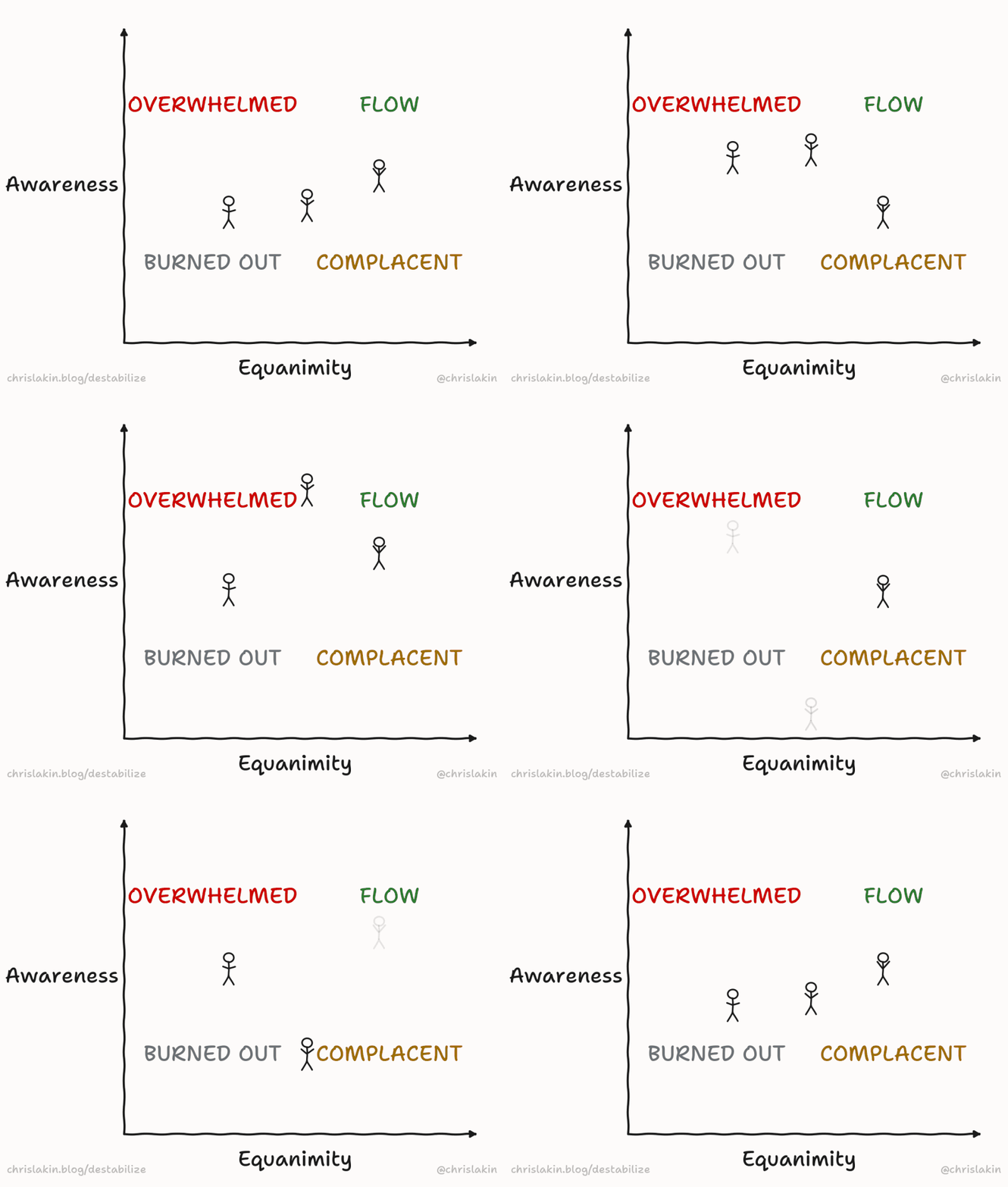
What it’s like: Access to intuition and knowledge of one’s own desires. Noticing sensations within one’s body. Life is more vibrant and beautiful. Pain is more intense. Improved creativity:
Also: memory, dancing ability, pleasure, expressive speech and facial movements, less chronic pain; in extreme cases, psychedelics having any effect at all.
Downsides: Greater awareness of pain and suffering.
Related post: “Wait, feelings are supposed to be IN THE BODY?”
Improving awareness: Most inner work already seems to be focused on increasing awareness, so I doubt this is a common bottleneck conditional on effort.
Improving Equanimity:
What it’s like: In the limit, anxiety, avoidance, insecurities, and triggers stop happening. Fewer days lost after events that ‘should’ feel insignificant. Greater risk-taking → Greater potential for higher EV success.
Also: attractiveness, socializing as much as while drinking, handling conflicts well.
Downsides: Greater risk-taking → more failures. More people disliking you.
Related post: Social anxiety isn’t about being liked
Improving equanimity in real life: Big successes from intentional effort seem kinda rare. It’s common for people to invest years and end up merely more aware of their bottlenecks.
Almost every big success story I’ve seen or heard seems to have involved ≥1 of:
Stressors or incentives disappearing: Mitigating a health issue, moving away, achieving financial independence, etc.
Supportive, loving relationships for years
Successful 1:1 work
Getting lucky with psychedelics on one of their first trips (?)
(I only very rarely hear of big success stories involving people who did not have Maslow’s safety, people who relied entirely on self-guided approaches, or people who exclusively followed advice from people who themselves are destabilized.)
Both: High Awareness + High Equanimity
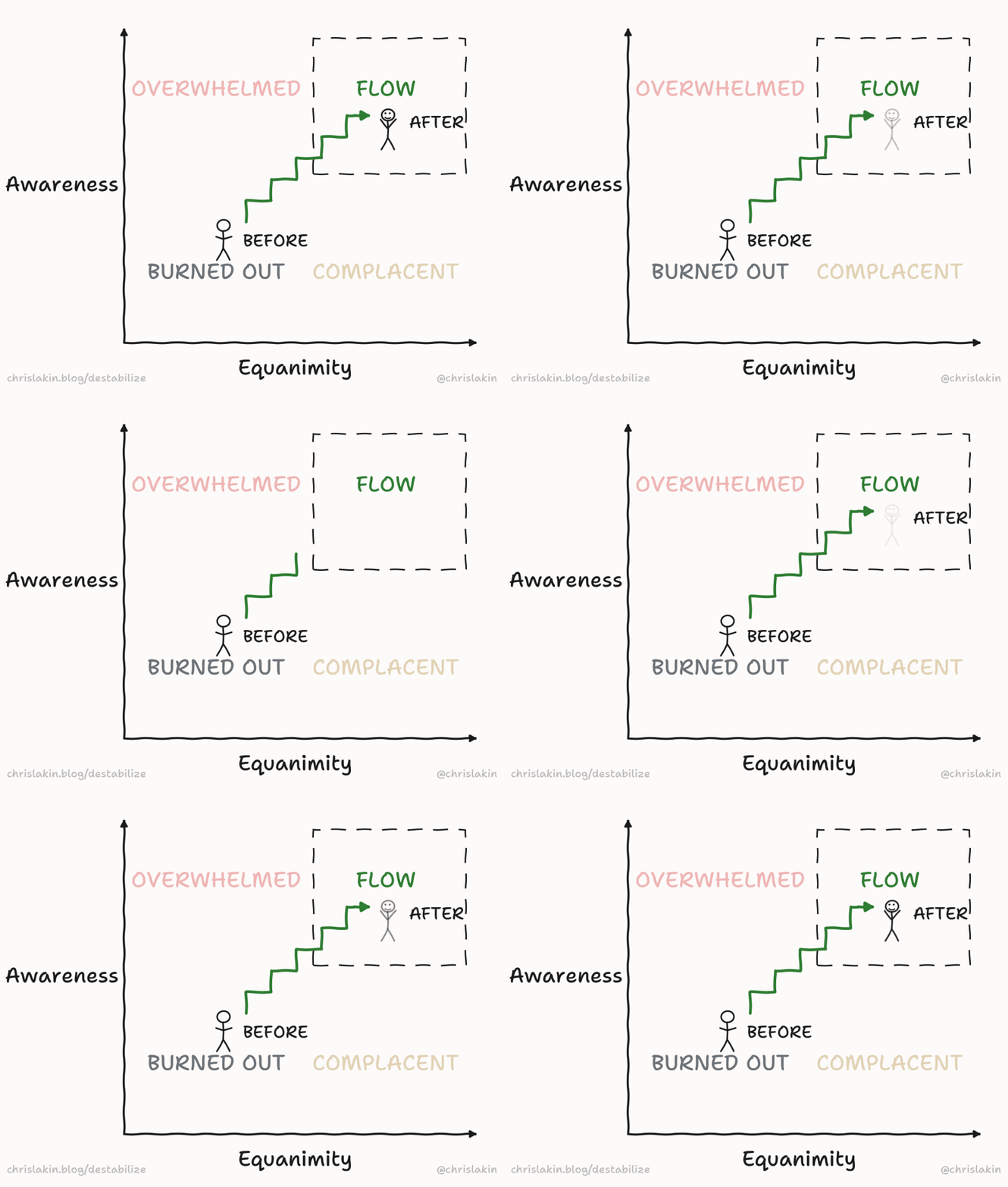
Signs: Flow. Naturally high agency. Effortlessness; e.g., dropping addictions without trying. Charisma. Romantic success. Saying what you want. Caring better for others. Improved coordination skills. Better impact.
I can’t think of a gentler way to put this, so
This is somewhere between woo and delusion. Do you agree?
I would guess this is imprecise wording rather than delusion.
I haven’t had the same experience, but I would guess the idea of repressed memories being behind a tension in the belly actually refers to some kind of stress or tension in the mind leading to muscle clenching in the belly, and that same mental tension being related to past experiences/traumas, and learning to relax that tension relaxes the muscles and brings up unprocessed memories at the same time. And the idea of those memories being located in the body, or emotions being located in the body, is describing a felt sense which actually takes place in/near the part of the brain responsible for sensation in the body.
If you translate it that way, it at least seems plausible.
It sounds weird but it does seem to be a thing, e.g. people may find memories spontaneously coming up in massages.
One model is that emotions are linked to patterns of muscle tension—most obvious examples are feeling angry and clenching your fists, or really relaxed in both mind and body—and that emotions bring up memories associated with those feelings and vice versa. Then if one is habitually trying to avoid a particular feeling or a memory or both—say some particularly shameful experience that you’d rather not think about—you may subconsciously learn to tense a muscle in a way that creates an opposite pattern of muscle tension and blocks both the feeling and also the memory.
Would you like more examples or context?
There’s two sides to whether this is delusion. Would I take memories revealed this way as strong evidence in a court of law? Probably not. Would I let a Leverage alumni talk me through unclenching a muscle, because I’m a big tough rationalist and woo fairy spirits can’t hurt me? Also no.
If I pretended that “inner work” was a proposed chemical medication and not a ritual, I would be highly skeptical of claims that it was revealing existing problems, not creating them, if one of its common outcomes was years-long breakdowns.