I’m Georgia (she/her). I crosspost some of my writings from eukaryotewritesblog.com.
eukaryote
Karma: 3,957
Posted some thoughts here (hadn’t seen this thread yet, whoops)
(note: I did a deep dive a few months ago on andesvirus’s close relative hantavirus, sin nombre virus)
Quick thoughts on the unfolding cruise ship hantavirus outbreak (2026-05-07, 1:18 PM pacific):Andesvirus is not normally good at spreading person-to-person, to the degree that it is/was kind of unclear that it happened at all.
At this point, I think it’s POSSIBLE that this outbreak is not transmitting person-to-person at all, and that some kind of contaminated food or linen or something else spread the disease to people on the ship. In this case, you know, scary but if you’re outside of the ship or the geographic area it’s endemic to, you probably do NOT need to worry, it won’t spread much further.
THE OTHER POSSIBILITY is that it is spreading person-to-person. Cruise ships are famously good disease incubators (total institution, lots of people in close proximity), but if this IS what happened, that rate of spread still strikes me as weird and a possible sign that this is a more infectious variant. I haven’t written out all the timelines, but my impression is that the timelines are on the early side for exposure --> symptoms but still within possibility.
As of a few hours ago, it was reported that a flight attendant on a flight transporting one of the cruise ship infectees has been quarantined with mild/moderate symptoms. She is NOT yet confirmed to have hantavirus! (My understanding is she’s been tested and they’re waiting for the results.) (The early symptoms look a LOT like other respiratory infections—cold, flu, covid, etc—so this is a live possibility to me.)
This will be a big “omen”/update for me if that flight attendant turns out to have it. Like, in that case, it’s contagious and not just contagious but pretty good at it relative to past outbreaks.
(...I guess the third possibility is that it’s quietly spread to another kind of mouse, like a house mouse—idk what the wildlife monitoring situation for andesvirus is like but it’s very patchwork for most diseases—and THAT was on the ship infecting people, which is concerning again but in a different way—but I haven’t seen any press mention mice on the ship, aside from one mentioning a general study finding that mouse infestations are rare on cruise ships.)
I have seen him show up at multiple different events/venues he is explicitly banned from. I believe he is well aware he is not welcome and decides to enter these places anyhow.
I’m tentatively sold on the premise but I wish this had more tips on mental-dog-training. (What exists is a decent start.) The author seems pretty confident in this and I want more theory on enacting it. I’ve never trained a literal dog. Also, I think my dog is sick.
It’s pretty cool, I guess.
Yeah, I believe it’s “add a picture every now and then.”
Love it. Yeah I don’t think there is any good reasonably-complete “list” of microbiota, plus there’s probably a lot of unidentified species, so that person could really rack up the points.
Relatedly, like, you’re (OP) drawing a picture from a partial set of facts about a complicated thing—yeah, there has been some growing awareness that nonconsent fetishes are pretty common, but also, like, you’re setting that against the “consent is very important” as understood social context—do you think that context was always there? Who do you think valued that context and made it widespread? It wasn’t nervous men.
Glad I wrote this down, glad people seemed to think it was interesting. I thought it was interesting too! From a young age I’ve thought that a big draw of text is being able to give readers a sense of extraordinary experiences. I haven’t had that many extraordinary experiences in my life, which is broadly a good thing, but it’s cool that you can go out and make something happen to you and then other people will indeed be interested in it.
I have thoughts on Infinite Jest, which the current margin is too narrow to contain. Great book.
Update on the research side:
It looks like the results from this Phase 2A safety trial have not yet been published, but the results from the earlier smaller-scale (10 person) Phase 1 trial were a bit before I posted: Safety and Tolerability of ShigActive™, a Shigella spp. Targeting Bacteriophage Preparation, in a Phase 1 Randomized, Double-Blind, Controlled Clinical Trial by Chen et al (2024).
Update on the personal side:
As I was told was likely and as I expected, I have had no apparent long-term medical problems since this. This was a dope-ass way to spend my 30th birthday.
Consider signing up for a challenge trial! You may feel the worst pain you have ever felt in your life but
that pain will also feel youyou will get money and a good story out of it, and also, like, contribute to potentially-lifesaving medical research or whatever.
Give it a look! (That site lists worldwide trials—if you’re in the US, being in or being willing to travel to Baltimore helps. Baltimore is legit a great city. I would happily move there if it made sense for me to. Check out the National Aquarium and the American Visionary Art Museum when you don’t have whatever wacky disease you’ll surely get.)
One year later:
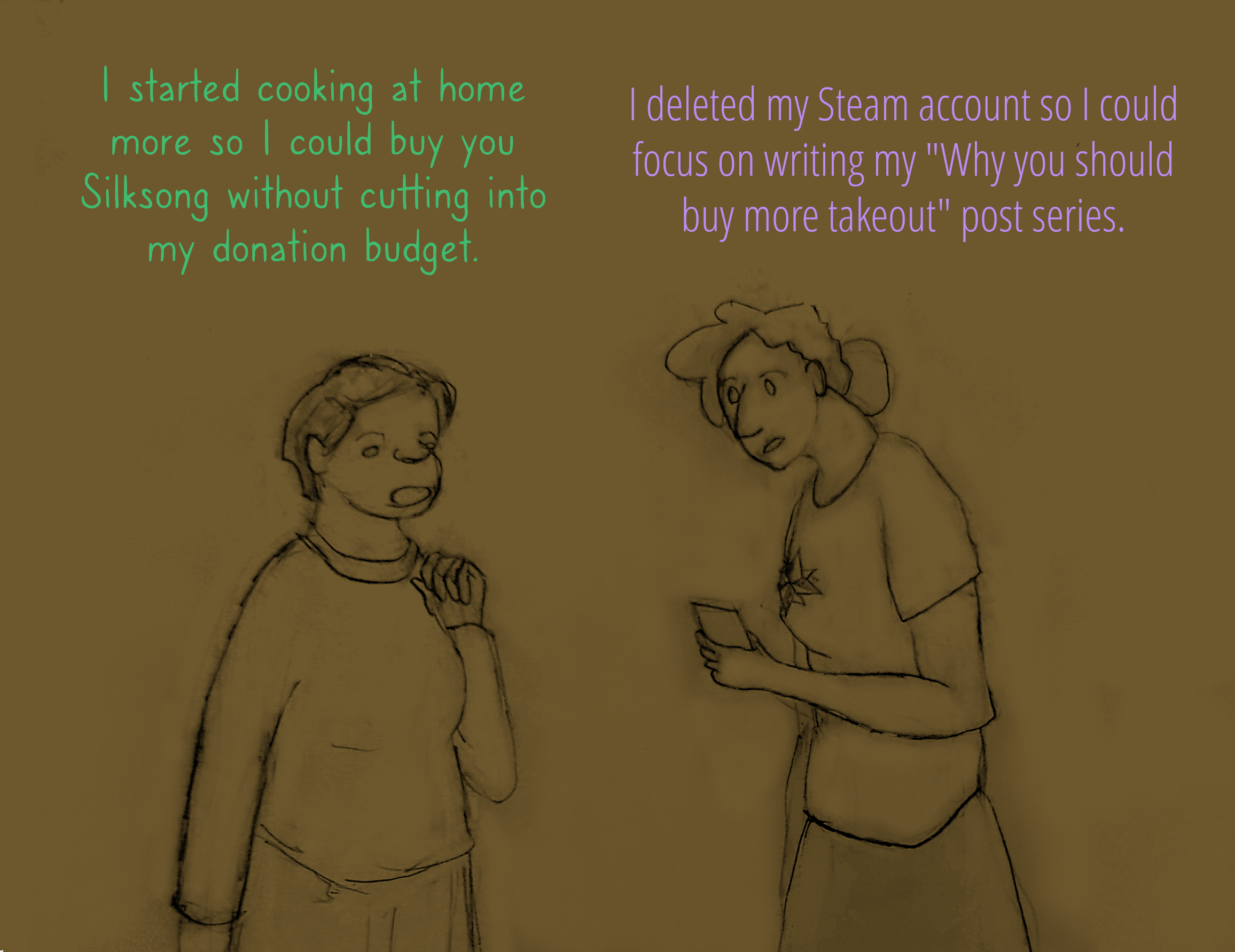
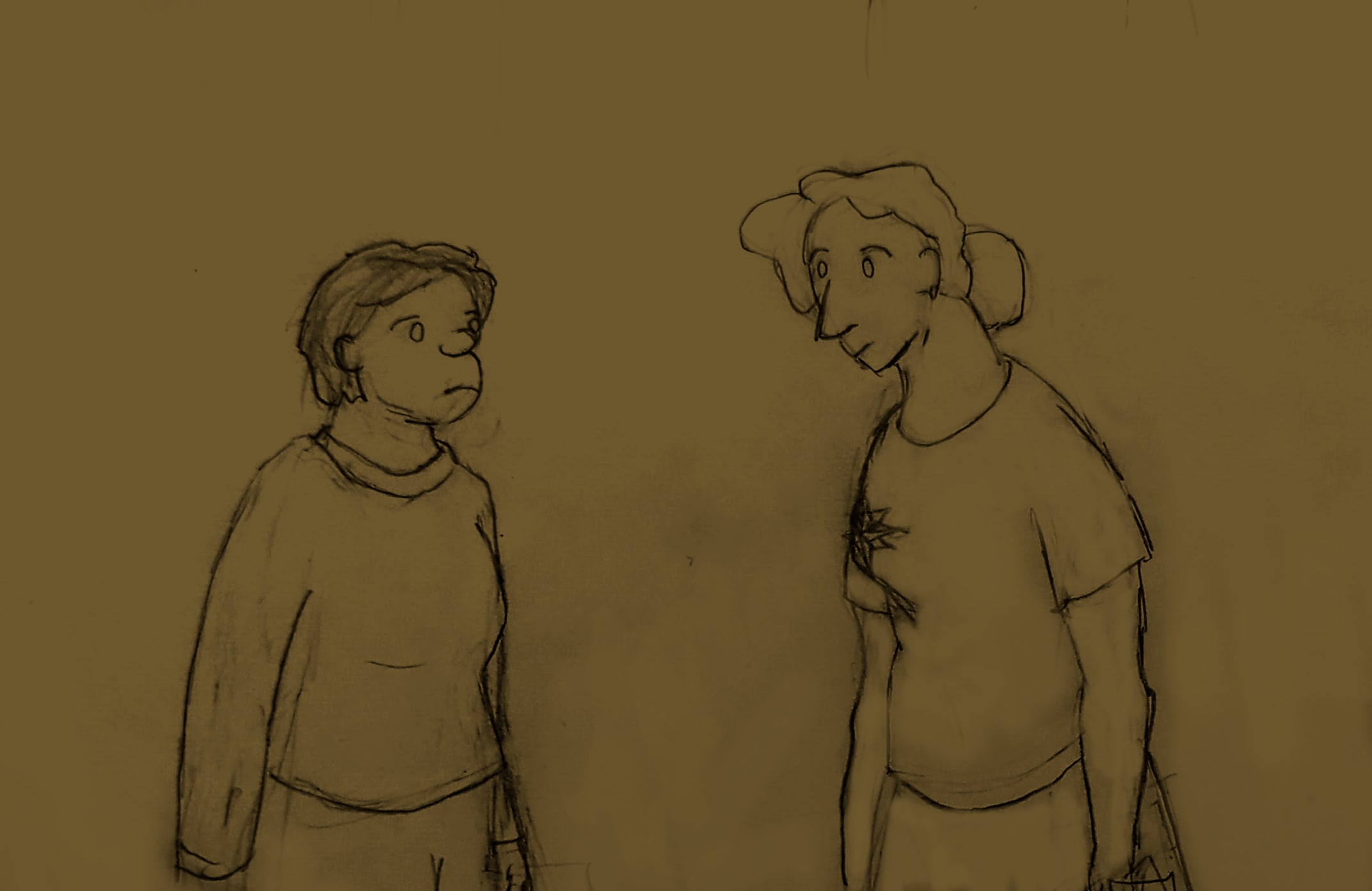
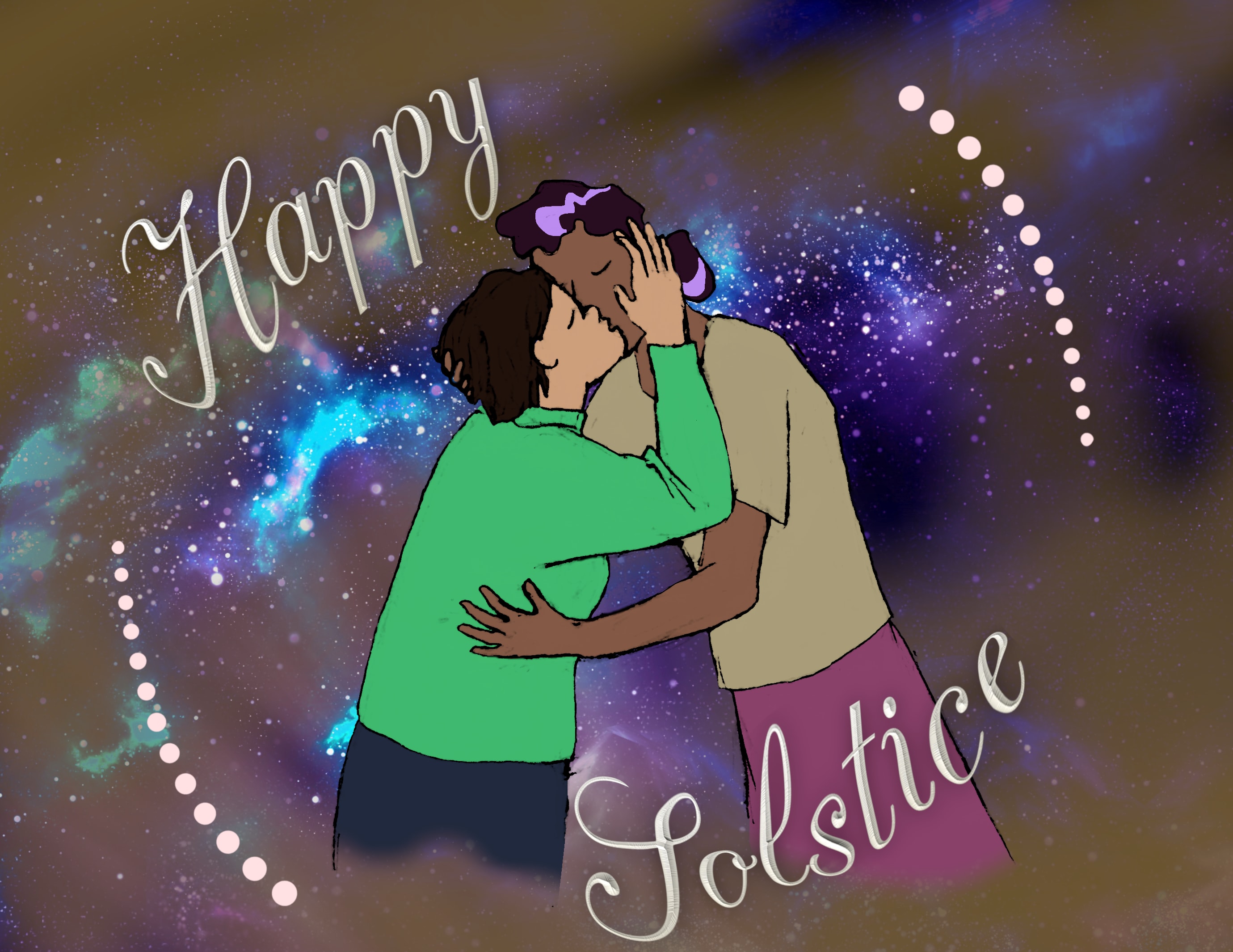
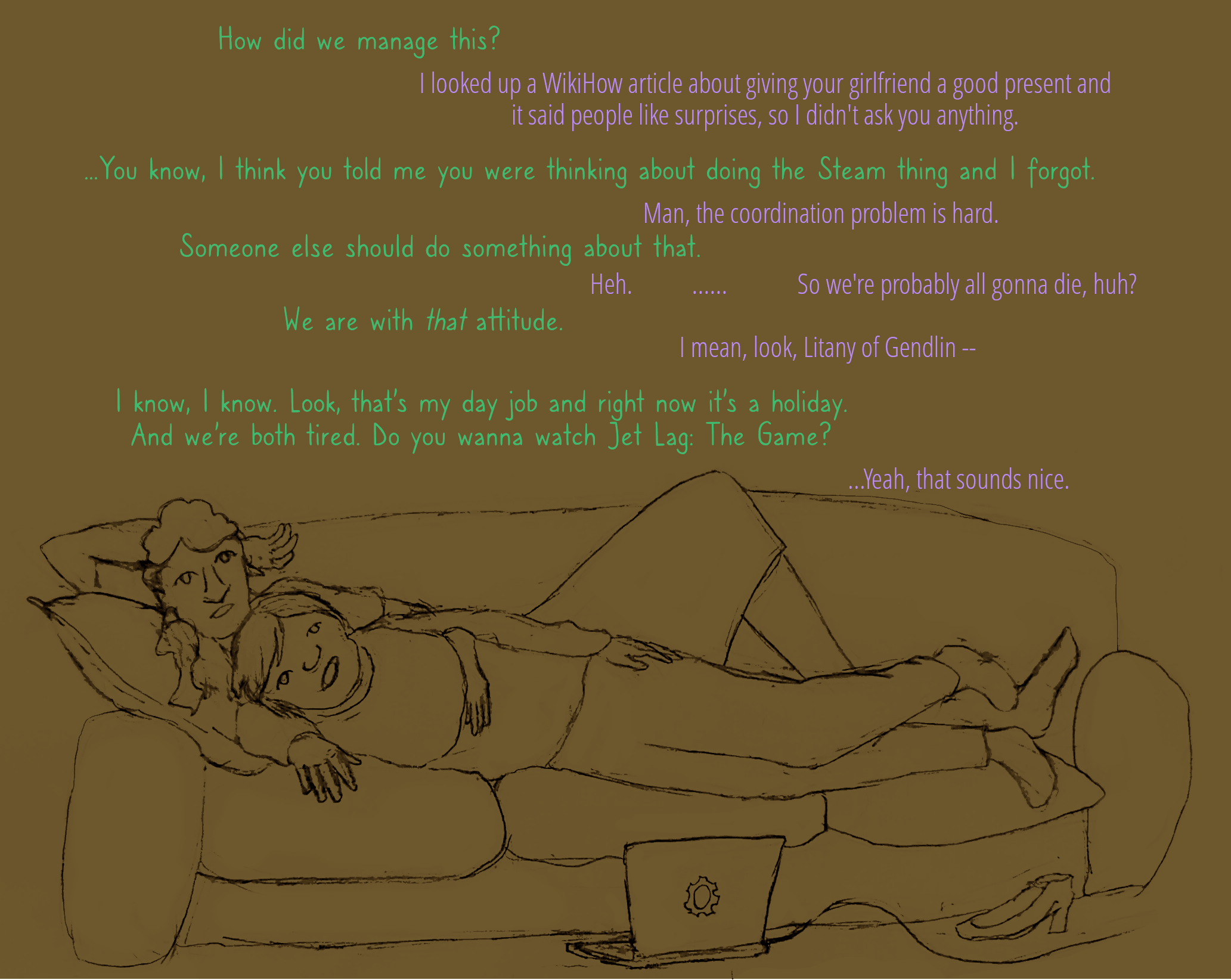
Yes, tandem is my alt account, I made the original. Really pleased this resonated with people. I just went to the Bay Secular Solstice and was thinking about these two again, and the work of making the world and ourselves the best we can be. Have one more bonus:
(Jet Lag: The Game is really good, if you like competitive game shows about train logistics. I recommend starting with the first season of Tag Across Europe.)
I do predict, empirically, that your writing is much more likely to be read if it is entertaining. The play is to make it both.
Yeah, so like, I do think there’s a skill issue component, and it’s possible to write stuff with popular appeal that is not about a subject people immediately care about. There are probably limits—like, it might be possible to get your reader invested in some niche piece of academic terminology drama or whatever, but it’s gonna be hard. But like, it is possible to get people to care about weird apparently-boring things.
One of my posts that got a lot of good reception both here and on the broader internet is There’s no such thing as a tree (phylogenetically), which was on tree evolution, a subject I can’t imagine much of the audience previously gave a shit about. I didn’t exactly intend for it to go big, but I did put a fair bit of thought into helping the “my blog reader who is interested in biology but doesn’t know much about specifics” get why I thought it was interesting—stuff like “what kind of context might they have about convergent evolution”, the kind of “but a banana is technically a berry!” ‘knowledge’ of botany people have heard. Also, like, bringing them into my emotions and surprise about what I learned—which does make a piece easier to follow along. Most people have emotions and it’s great fun to read someone freak out about something.
(Like, I couldn’t say how much of this I was intentionally doing at the time, but it felt like the way to go and it seems like it worked in terms of convincing readers it was an interesting topic.)
A friend of mine is a big fan of the bergamot poisoning case. This is probably an unrelated effect but I’m no citrus expert.
Hahaha, it’s not a common phrase but I have heard it. I’ve read exactly one cookbook that recommended it as a done-ness test (I read a lot of cookbooks) but that was a cookbook for kids and probably trying to make cooking more fun, I really don’t think virtually anybody does it on the regular.
I think I see. I mean, I did post this hoping some people might agree with it or decide they agree with it. I mean, I guess my take is “some things outside the Overton window are bad and broader society is correct not to tolerate them.”
I think this is a weird misunderstanding of my issue here. I believe and endorse people saying a lot of things that are outside of the overton window and are taboo in many places. For instance: “Factory farming is immoral.” “It’s bad when wild animals feel pain.” “People should be able to get literally any surgery they want at any time.” “Every golf course in large cities should be destroyed and have checkerboarded apartments-and-parks put up over it.”
My issue is with the specific takes Cremieux has and ways he acts, which are racist, and harmful, and bad.
Thanks for sharing this.
Dear people who read this and agreement-downvoted (ETA: wrote this cause above comment was well in the agreement-negatives at the time of writing): Do you think this isn’t Cremieux’s account, or that the quoted example is an acceptable thing to say, or what?
Eh, he was there last year, I figure he might well go again. If I happen to hear that he’s definitively not attending this year (or, idk, if he ends up attending as a regular guest and not an Invited Author Guest, I take less umbrage with that) I’d love to go.
I was honored to be invited again to this year’s LessOnline—I really enjoyed the last one. However, I’m going to turn down this invitation as I’m uncomfortable being in the same company of invited author guests as Cremieux.
I didn’t know who he was last year, so after hearing concerning murmurs from various places, I looked into his work. Hoo boy. I don’t think that being interested in genetic differences between ethnic groups necessarily makes one racist, but I think it’s the kind of area where you have to be extraordinarily careful to proceed with caution and compassion and not fall into racist fallacies (coexisting in a terrible cycle with shoddy scholarship). I do not think Cremieux meets this standard of care and compassion.
Also, I get the sense he’s generally a jerk to those around him, which is not as big of a deal but is not helping. He reacts to challenges or criticism with insults, over-the-top defensiveness, and vitriol.
I don’t like what he’s about, I think the rationalist community can do better, and I do not want to be a special guest at the same event he’s a special guest at.
I hope that LessOnline goes well and that those who do go have a great time, and that my assessment is completely off-base. I mean, I don’t think it is, but I hope so.
Update, the flight attendant has apparently tested negative, so that’s good news.