The situation in the contra dance world with “fragrance free” is a
mess. Many dances have very strict policies, but they don’t emphasize
them. Which means they’re not dances that work for people who need
the strict policies, but at the same time are putting attentive and
careful people through a lot of work in avoiding common scented
products.
Consider: We are a fragrance free event. Please do not wear scented
products.
This isn’t just asking people not to wear perfume or cologne: products
not explicitly marketed as “fragrance free” generally have at least
some scent. Trying to pick some very ordinary products that don’t
mention that they’re scented on the front, when I read the ingredients
they all list both “fragrance” and several scented ingredients
(camphor, limonene, benzyl salicylate, etc):
I’m not trying to pick on this one dance; it’s common to have a policy
like this without being explicit that the dance is asking everyone who
attends to go out and buy new shampoo. Take the JP dance, which has, on their homepage:
These
Dances are Fragrance Free—please do not wear perfume, cologne,
or other scented products, as some of our dancers are chemically
sensitive, and experience discomfort when exposed to these materials.
This suggests that by “scented products” they mean “things you wear
specifically to give you a scent, but clicking through it’s clear that
they don’t allow mainstream soaps, shampoos, deodorants, etc.
Some others I just checked:
Concord Monday: “please
avoid the use of scented body or laundry products.”
Amherst:
“This is a fragrance-free and substance-free event. Please refrain from
wearing scented products.”
Quiet
Corner: “Our dances are smoke-, alcohol-, and fragrance-free.”
One thing to keep in mind with these restrictions is that the impact
is partially along racial lines. It’s much easier to find
fragrance-free products for white-typical hair; people with tightly
curled or coiled hair are going to have a much harder time. Fragrance
free products for these hair types do exist, but it’s a significant
investment to find them and figure out what works for your particular
hair. There’s also an interaction between race and culture, where in
some communities, disproportionately black and hispanic ones, wearing
scents is just a normal part of being clean. A lot of communities
with these policies also worry about why their dance community is so
much whiter than the area, and while I don’t think this is a major
contributor I also doubt it helps.
I’ve raised
this issue before, but it didn’t seem to have an effect, so I’m
going to try a different approach of suggesting a range of alternative
approaches that I think would be much better:
Say “fragrance free” and mean it. Include it in all your
publicity the same way you would “mask required”. Spell out what this
means in terms of how to find products. I don’t know any dances
taking this approach.
Say something like “no perfume or cologne: don’t wear products
intended to give you a scent”. This is the approach Beantown Stomp has taken.
Don’t have a policy, accept that most people will show up
having used scented products and a few will show up strongly scented.
This is the approach BIDA
uses.
I normally try pretty hard to follow rules, but this is one I dont’
fully follow. My impression is that few attendees are taking the
policy literally, and I don’t think they actually mean that I
shouldn’t attend if I washed my hands after using the bathroom at a
gas station on the drive over. I don’t like this situation, however,
and I think, as with speed limits
people are used to ignoring, this approach is corrosive to the
important norms around respecting policies. If you currently have a
simple “fragrance free” somewhere on your website, consider one of the
alternatives I suggested above?
EDIT: there’s some discussion around what fraction of the population
needs this kind of policy, with someone linking a CDSS
document which says “chemical sensitivity is an invisible
disability that affects around 30% of the population”. I realized I
have some relevant data on this: when I used to organize Beantown Stomp we had
a “low fragrance” policy:
Some dancers are sensitive to fragrances, so we’d like to keep this
a low-fragrance environment. Please don’t wear perfume, cologne,
body spray, or other products intended to give you a scent. If your
shampoo, conditioner, deodorant, or laundry detergent are mildly
scented, however, that’s ok.
On the registration form we asked dancers to choose one of:
I can’t come without this policy
I don’t need this personally, but I’m not going to wear scents
I’m not sure what this means, or I don’t think I can do this,
please email me
In 2020, 3% of dancers chose (a), 97% chose (b), and no one chose (c).
This isn’t the same as polling on a true fragrance free policy, but I
would expect to see an even larger discrepancy there, where
most people who would benefit from a “fragrance free” policy are
covered by policies prohibiting “products intended to give you a
scent”.
Fragrance Free Confusion
Link post
The situation in the contra dance world with “fragrance free” is a mess. Many dances have very strict policies, but they don’t emphasize them. Which means they’re not dances that work for people who need the strict policies, but at the same time are putting attentive and careful people through a lot of work in avoiding common scented products.
For example, if you look at the Concord Thursday homepage or FB event there’s no mention of a fragrance policy. At the end of their Code of Conduct, however, there’s:
This isn’t just asking people not to wear perfume or cologne: products not explicitly marketed as “fragrance free” generally have at least some scent. Trying to pick some very ordinary products that don’t mention that they’re scented on the front, when I read the ingredients they all list both “fragrance” and several scented ingredients (camphor, limonene, benzyl salicylate, etc):
Classic Original ChapStick
Amazon Basics Conditioner
Amazon Basics Liquid Hand Soap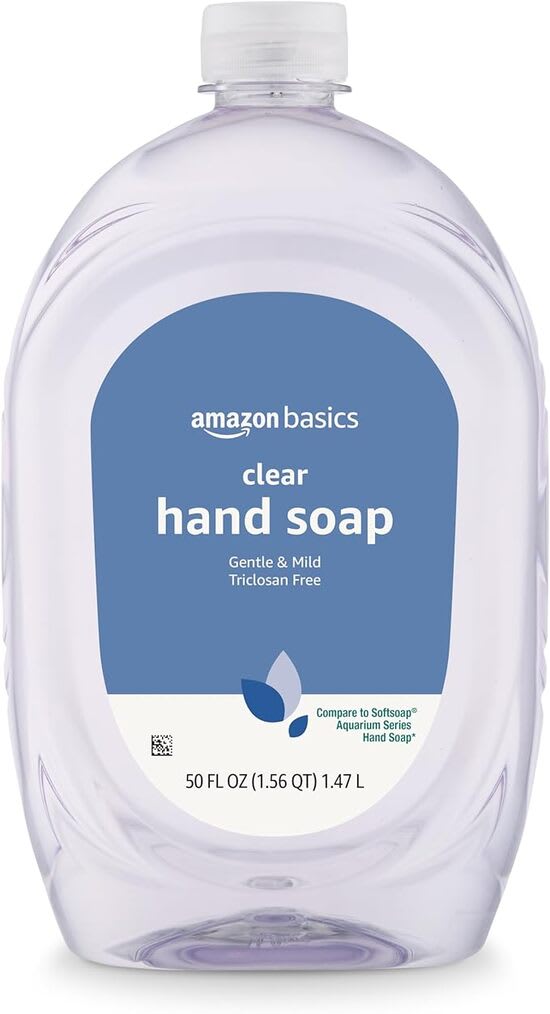
I’m not trying to pick on this one dance; it’s common to have a policy like this without being explicit that the dance is asking everyone who attends to go out and buy new shampoo. Take the JP dance, which has, on their homepage:
This suggests that by “scented products” they mean “things you wear specifically to give you a scent, but clicking through it’s clear that they don’t allow mainstream soaps, shampoos, deodorants, etc.
Some others I just checked:
One thing to keep in mind with these restrictions is that the impact is partially along racial lines. It’s much easier to find fragrance-free products for white-typical hair; people with tightly curled or coiled hair are going to have a much harder time. Fragrance free products for these hair types do exist, but it’s a significant investment to find them and figure out what works for your particular hair. There’s also an interaction between race and culture, where in some communities, disproportionately black and hispanic ones, wearing scents is just a normal part of being clean. A lot of communities with these policies also worry about why their dance community is so much whiter than the area, and while I don’t think this is a major contributor I also doubt it helps.
I’ve raised this issue before, but it didn’t seem to have an effect, so I’m going to try a different approach of suggesting a range of alternative approaches that I think would be much better:
Say “fragrance free” and mean it. Include it in all your publicity the same way you would “mask required”. Spell out what this means in terms of how to find products. I don’t know any dances taking this approach.
Say something like “no perfume or cologne: don’t wear products intended to give you a scent”. This is the approach Beantown Stomp has taken.
Don’t have a policy, accept that most people will show up having used scented products and a few will show up strongly scented. This is the approach BIDA uses.
I normally try pretty hard to follow rules, but this is one I dont’ fully follow. My impression is that few attendees are taking the policy literally, and I don’t think they actually mean that I shouldn’t attend if I washed my hands after using the bathroom at a gas station on the drive over. I don’t like this situation, however, and I think, as with speed limits people are used to ignoring, this approach is corrosive to the important norms around respecting policies. If you currently have a simple “fragrance free” somewhere on your website, consider one of the alternatives I suggested above?
EDIT: there’s some discussion around what fraction of the population needs this kind of policy, with someone linking a CDSS document which says “chemical sensitivity is an invisible disability that affects around 30% of the population”. I realized I have some relevant data on this: when I used to organize Beantown Stomp we had a “low fragrance” policy:
On the registration form we asked dancers to choose one of:
I can’t come without this policy
I don’t need this personally, but I’m not going to wear scents
I’m not sure what this means, or I don’t think I can do this, please email me
In 2020, 3% of dancers chose (a), 97% chose (b), and no one chose (c). This isn’t the same as polling on a true fragrance free policy, but I would expect to see an even larger discrepancy there, where most people who would benefit from a “fragrance free” policy are covered by policies prohibiting “products intended to give you a scent”.
Comment via: facebook, lesswrong, mastodon, bluesky